
Car alarm systems is a technically complex term but the basic task you may need from a car alarm that notifies your phone only if something bad happens which is a great comfort at the end of the day. This job is done by the remote alarm system technology.
Car alarms with remote start is a technology based on different types of motion sensors used to notify the authenticated person that something unusual happened on a specific asset or property.
Too basic right? Trust me it’s that simple.
Advanced features are just added to the basic principle of the remote alarm system. Even the industry of alarm system for car has drastically enhanced to modern technology. We will take you through all this shortly.
Define your purpose: House Alarm or Car Alarm?
House and car alarms have differences in purpose of use, technological features, and ease of usefulness. If you ever get confused about which one you would like to install alarm system for car, I recommend you make a precise decision about the purpose first.
Alarm triggers are mainly made with different types of sensors. Interesting, right?
When the house alarm system is active, the doors or windows are surrounded by various sensors, it’s like wearing a shield to protect a warrior.
The house alarm features contact sensors like:
-
- Motion detectors.
- Smoke detectors.
- Glass break sensors
When a breach is detected, these sensors get automatically triggered and immediately alert via loud alarms, phone calls, or notifications to security devices. Nowadays, house alarms are more complex because of the wide range of sensors and integration options of various alerts, often linked with the monitoring service that can even dispatch emergency responders.
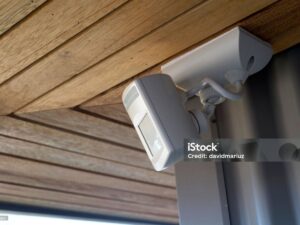
For complex security needs, you should consider installing a house alarm with the best-fit sensors for your requirements. And if your choice is a house alarm, we would like to recommend you stop reading here and check out more expert solution providers for your needs.
We specialize in cars. Based on our work experience, we can guide you through everything that relates to a car.
And, if you need advanced vehicle-specific alerting mechanisms, protection, theft deterrence, and you should read further.
How does car alarm security system work?
The alarm systems for car work with sensors and a control unit powered by the vehicle’s battery, often with a backup battery. Sensors detect unauthorized access like impacts or movements and send signals to the control unit to process those sensor signals.

A car alarm features shock sensors, door sensors, motion sensors, and sometimes glass break sensors that are typically activated by the key fob or automatically when the sensors detect unauthorized access, the control unit emits a loud sound to alert people and deter thieves and often sends alerts to the owner’s remote or smartphone app. In most cases, the alarm continues until it is manually deactivated or, in some cases, automatically turns off after a set period.
Some advanced car alarm systems work with:
- Remote start.
- Motion sensor.
- GPS tracking.
- Two-way communication.
- Immobilizer Function.
Remote start enables a person to start the car remotely via the alarm system’s app or remote and GPS tracking allows real-time tracking of the vehicle if stolen. We’ve covered car alarm with remote start in detail which you can check out now or later.
Sensors are modern enhanced security features like motion sensor or shock sensor along with two-way communication to provide feedback on the alarm status to the person’s remote or app for additional convenience. For better understanding about motion sensor and shock sensor, you can check those articles now or later.
Immobilizer Function ensures the vehicle cannot be started without the proper key or fob, preventing unauthorized use. It’s a basic anti-theft technology used mostly in old model cars which still meet their need. To learn about this cost-friendly car immobilizer technology which you can check out to explore some more details.
Is a car alarm worth the money?
Well, that’s not a million-dollar question. If you are wondering is a car alarm worth the money? The answer is yes.
Car alarms are mostly worth the money because they can deter theft, provide alerts to the owner, and offer other enhanced security features like GPS tracking, two-way communication, and immobilizer functions.
However, the effectiveness of a car alarm depends on the quality and type of alarm, as well as proper installation because determined thieves may still bypass or disable alarms. So combining alarms with other security measures is recommended for enhanced effectiveness.
Factory or Aftermarket Car Alarm?
The basic difference between factory and aftermarket car alarms is that the pre-installed alarm system and alarm system unit are installed separately. However, some other factors and features can differentiate factory car alarms and aftermarket car alarms.

Depending on installation a factory car alarm is pre-installed by the manufacturer, and integrated into the vehicle’s electrical system seamlessly to ensure compatibility. While an aftermarket car alarm is installed by the owner or professional, additional work may be required to modify the vehicle, which can be more complex to install.
Factory car alarm features with basic functionalities which include standard features like door sensors and a siren usually included in the vehicle’s price or as part of a trim package, which is cost-effective or less expensive.
While aftermarket car alarm often offers advanced features such as two-way communication, GPS tracking, remote start, and customizable options. The best aftermarket car alarm cost can range from affordable to high-end, depending on features and brand.
Customization options for factory car alarms are limited to the features offered by the manufacturer but aftermarket car alarm offers a wide range of customization options and advanced features. However, additional support for factory car alarms is covered under the vehicle’s warranty which is typically available through the dealership. However, the warranty and support for aftermarket car alarms are limited to the manufacturer or installer and may require separate service.
In two lines:
- Factory car alarms are integrated and cost-effective, no additional installation is required.
- Aftermarket car alarms are customization-friendly but have higher costs and more advanced features with complex installation.
So, if you already have a factory car alarm then you’re lucky. If not and you want the best car security alarm installed in your car you should consider understanding which type of car alarm is your actual need.
1-Way or 2-Way Car Alarms?
Communication between the car and the user is the main difference between 1-way and 2-way car alarms. You can evaluate these alarms based on functionality and user interaction.

1-Way Car Alarm:
1-Way Car Alarm is a functioning car alarm system that sends an alert to the car owner when the alarm is triggered. This is usually achieved through a horn or siren that sounds if the alarm system is activated. A user can activate or deactivate the alarm system using a key fob or remote control but no feedback is provided to the user about the status of the car alarm.
1-Way Car Alarm – Pros:
- Simpler and less expensive than 2-way systems.
- Easy to operate with very basic functionality.
1-Way Car Alarm – Cons:
- You don’t know if the alarm is activated if a trigger has occurred, or if the system is functioning properly unless you are near the vehicle because no status updates are sent back to the user by the alarm system.
2-Way Car Alarm:
The way 2-way car alarm systems work can be described as bidirectional communication. This way the system provides feedback to the user about the status of the alarm. This means that the system not only receives commands from the user like arming or disarming the alarm but also sends status updates back to the remote control or smartphone app.
The user gets notified by the remote control or app if the alarm has been triggered, a sensor has been activated, or if there are other issues with the system. Some systems can also provide feedback on the car’s status, like if the doors are locked or unlocked.
2-Way Car Alarm – Pros:
- Enhanced security which provides real-time alerts and status updates
- Convenient as the system’s status remotely notified to the user even if the is in distance.
2-Way Car Alarm – Cons:
- More expensive and includes complex features than 1-way systems.
- Remote controls can require more frequent charging and battery changes.
To help you rephrase, 1-way alarms send alerts from the car to you, but you can’t be confirmed about the status of the system from a remote location. On the other hand, 2-way alarms provide bidirectional communication, allowing you to receive feedback and the status of the car from any remote location as well.
So choosing between the two depends on your preference for simplicity versus the need for real-time feedback and additional features.
DIY or Professional Installation?
Do It Yourself is fun – but where security matters such advanced features like motion sensors, remote start, and smartphone-integrated car alarm systems can be complex to install. However. if you planning to purchase the alarm unit from the service center, chances are you may be charged higher.
Our recommendation is you purchase your desired and suitable alarm unit from Amazon or other online stores then seek out a professional installation provider closer to you.
Conversely, you should get an idea about the installation process because if something goes wrong, you will be able to figure out what caused your problem. For optimal performance, you have to ensure proper calibration and testing.
- Control Unit: Generally installed in a location that provides easy access for wiring and adjustments like under the dashboard.
- Shock Sensors: To detect impact effectively, shock sensors are usually mounted near the vehicle’s frame.
- Motion Sensors: For optimal detection, motion sensors are typically placed inside the vehicle or near windows.
- Glass Break Sensors: To detect breaking, glass break sensors are usually Installed near windows.
The Wiring and Connections: A Closer Look
While installing, you should make sure, your service provider uses proper connectors and avoids knitting wires directly. This will secure all connections to prevent loose wiring, which can cause malfunctions. You have to make sure that the installation does not interfere with your vehicle’s actual electronics or functions. To prevent interference issues, proper insulation and routing of wires is really important.

Calibration and Testing:
Sensor Calibration: After installation, try calibrating the sensors according to the manufacturers or the professional’s instructions. To ensure sensors are properly adjusted and the system responds as expected you should test the system by simulating various scenarios.
System Check: Before finalizing the installation, to ensure that everything is operating as expected, ask your service provider to recheck all functions, including remote start, alarm triggers, and communication.
Familiarize Yourself: Be familiar with all the features of your new system, including remote start, alarm settings, and any smartphone app functionalities. This will ensure that you can make the most of your system and address any issues that may arise.
Which Car Alarm System I Should Choose:
To conclude, so far I think you have get the basic technologies that combines as modern car alarm systems. By now, you should have an idea about your need, and based on that, before buying one, you should go through Best Car Alarms Systems – to simplify your decision-making process.
Hold on:
If you are still curious and have some questions in mind remaining. Just relax. Visit our Frequently Asked Questions page, we tried to resolve some common issues to be answered, NOT car model specific. But in futures, we have plans to implement more of model specific queries.
For car model specific problems and suggestions, you can create a help post in our Discord Channel, where our expert team would be glad to help you and come up with the best possible solution for you.